
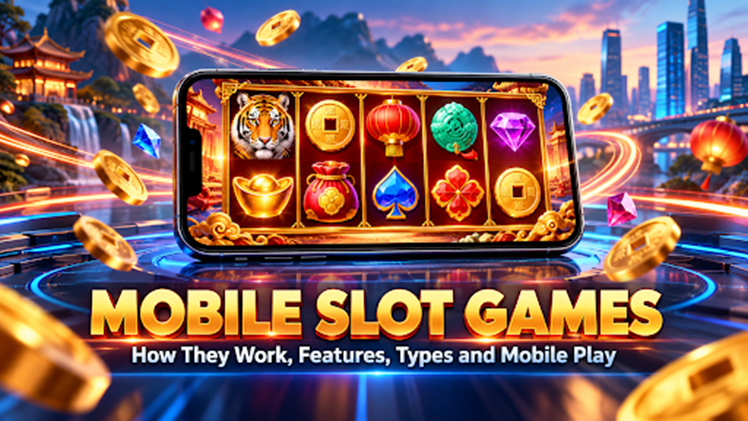
Mobile slot games are digital slots made for smartphones and tablets. They use the same basic reel system as desktop slots, but the design is adapted for smaller screens and touch controls. Most modern games can run directly in a mobile browser, so separate software is often not needed. HTML5 helps make this possible because it supports different browsers, devices, screen sizes, sound, and animations. Mobile slots can vary a lot in design and complexity. Some use a simple three-reel layout, while others include larger reel sets, bonus rounds, changing paylines, multipliers, and interactive features. A title such as Fortune Tiger game is an example of a compact mobile-friendly design: PG Soft describes it as a three-reel, three-row video slot with five paylines, respins, and a potential x10 multiplier feature. Understanding the technology and mathematics behind mobile slots is more useful than judging them only by graphics or themes. RTP, volatility, paylines, game rules, device compatibility, and interface design all affect how a title works.
What Are Mobile Slot Games?
Mobile slot games are casino-style games optimized for smartphones and tablets. Mobile slots work by spinning reels with different symbols and checking the result against a paytable. The main difference from desktop slots is usually the interface, not the game math. Buttons need to work well on touchscreens, text must stay clear on small screens, and the reels should fit without hiding important details. Many modern mobile slots use HTML5. This lets the same game run on Android, iOS, tablets, and desktop browsers without needing a separate version for each device.
Basic Mobile Slot Layout
A typical mobile slot screen contains several key elements:
- reels and symbols;
- a spin button;
- stake controls;
- balance and win information;
- a paytable or information menu;
- sound and settings controls.
More complex games may also include buttons for bonus purchases, autoplay, turbo mode, or additional game features. The challenge for developers is fitting these elements onto a small screen without making the interface difficult to use.
How Mobile Slot Games Work
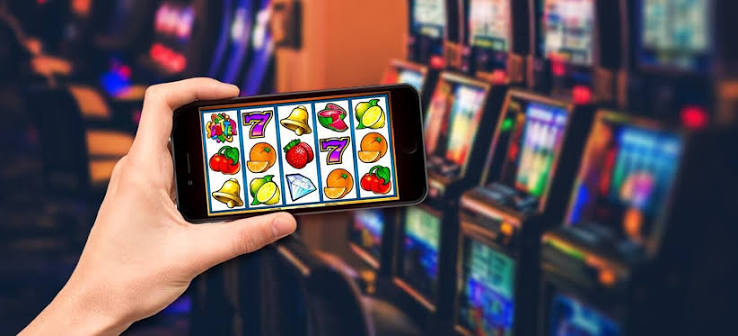
The basic process is usually straightforward. A player selects an available stake and starts a spin. The reels then stop on a combination of symbols, and the software compares that combination with the game’s predefined payout rules.
Basic Gameplay
Many slots use paylines. A payline is a predefined route across the reels that can produce a payout when the required symbols appear. Other games use alternative systems such as ways-to-win mechanics, cluster payouts, or variable reel structures. The number of reels also varies. Classic games may use three reels, while modern video slots commonly use five or more. Fortune Tiger provides a useful example of a simpler format. According to PG Soft’s official game information, it has three reels, three rows, and five paylines. Its feature can trigger additional respins, while a full winning screen can apply a x10 multiplier.
Random Number Generation
The visible reel animation is only one part of the game. In regulated slot software, outcomes are generally determined by a random number generator, or RNG. The RNG selects results according to the mathematical configuration of the game. This means each spin should be treated as an independent event. A sequence of losses does not make a win automatically more likely, and a recent large payout does not mean the game must immediately enter a losing phase. Visual patterns in previous results therefore should not be treated as a prediction method.
RTP and Volatility
RTP means Return to Player. It shows the theoretical percentage of all bets that a game returns over a very large number of rounds. For example, a 96% RTP does not mean every player will get 96% of their money back. Short sessions can be very different from the long-term average. Volatility shows how payouts are spread out. Low-volatility slots usually give smaller results more often. High-volatility games can have longer gaps between bigger wins. Fortune Tiger has a published RTP of 96.81% and is listed by PG Soft as a medium-volatility game. These numbers describe the game’s long-term model, not what will happen in one session.
Main Features of Mobile Slot Games
Mobile slots are designed around the limitations and advantages of smartphones. Good mobile implementation is therefore about more than simply shrinking a desktop interface.
Touchscreen Controls
Mobile slot controls need to be large and easy to tap with a finger. The spin button is usually placed near the bottom of the screen, with stake controls and menus around it. Small text links are less common because they are hard to use on narrow screens. Instead, many games use icons, expandable menus, and larger buttons. A good mobile layout should also prevent accidental taps. Important controls should be clearly separated and easy to find.
Responsive Design
Responsive design helps a game fit different screen sizes. The same game can run on a small phone or a large tablet, but the size and position of the controls may change. HTML5 also helps games work across different devices. Developers can build one web-based game that adjusts to different screens and platforms. Responsive design may affect:
- reel size;
- button placement;
- menu positioning;
- text size;
- information panels;
- portrait and landscape layouts.
Good responsive design keeps essential controls accessible without covering the reels.
Autoplay and Turbo Options
Some mobile slots include autoplay or turbo functions. Autoplay can automatically start repeated spins according to available settings. Turbo mode generally shortens animations or reduces the pause between rounds. These features affect the speed of gameplay, not the probability of individual results. A faster interface can lead to significantly more spins within the same amount of time, so speed should be considered separately from RTP or winning chances.
Types of Mobile Slot Games
Mobile slots cover many different designs and mathematical structures.
Classic Slots
Classic slots usually have a small number of reels and straightforward paylines. These games often use familiar symbols such as fruit, bells, sevens, bars, or themed versions of them. Their simple layout also works well on small smartphone screens. Fortune Tiger follows this style with a 3×3 layout and five paylines. It also adds modern features such as respins and a multiplier.
Video Slots
Video slots usually include more detailed graphics, animations, and feature mechanics. They may contain:
- wild symbols;
- scatter symbols;
- free spins;
- multipliers;
- expanding reels;
- bonus rounds;
- cascading symbols.
Their interfaces can be more complex, so mobile versions often hide secondary settings inside expandable menus.
Megaways and Variable-Reel Games
Some slots do not use a fixed number of symbols on each reel. Variable-reel games can show a different number of symbols after each spin. This changes how many winning combinations are possible. These games also need careful mobile design because a lot of information must fit on a small screen.
Jackpot Slots
Jackpot slots include an additional prize mechanism. A fixed jackpot has a set prize value. A progressive jackpot can grow as qualifying bets are placed on one game or across several connected games. Jackpot prizes usually work separately from normal symbol payouts, so the rules should explain how they are triggered. Not every slot has a jackpot. A game with a high maximum payout also does not always have a progressive jackpot.
Common Symbols and Features
Modern slot games frequently use several recurring mechanics.
Wild Symbols
A wild usually substitutes for other symbols to help complete a winning combination. The exact rules vary. Some wilds expand, move, remain on the reels, or include multipliers. Players should check the paytable because a wild does not necessarily replace every symbol in every game.
Scatter Symbols
Scatter symbols often work differently from normal payline symbols. They may trigger a bonus when enough appear anywhere on the reels rather than on a specific line. Not every mobile slot uses scatters.
Free Spins
Free-spin features provide a number of additional rounds according to the game’s rules. These rounds may use modified reels, higher multipliers, additional wilds, or different bonus mechanics. The number of spins and their conditions vary significantly between titles.
Multipliers
A multiplier increases a qualifying payout by a defined amount. For example, a 5x multiplier makes the payout five times larger. In Fortune Tiger, PG Soft says a 10x multiplier can apply when all symbols on the screen are part of a win.
Bonus Games
Some mobile slots include separate bonus rounds. These features may include picking objects, spinning a bonus wheel, opening symbols, or switching to a different reel layout. On mobile devices, they should also be easy to use with simple taps instead of mouse controls.
Mobile Slots on Android and iOS
Modern slot games can often work on both major mobile operating systems. The important distinction is whether the game is browser-based or delivered through an application.
Browser Compatibility
HTML5 games can run directly inside compatible mobile browsers. This reduces the need to create separate game software for Android and iOS. The Whimsy Games reference notes that HTML5 is widely used because it enables cross-platform browser access and responsive interfaces. Common browsers can include:
- Chrome;
- Safari;
- Firefox;
- Edge.
Compatibility still depends on the game, browser version, operating system, and platform hosting it.
App Availability
Some casino platforms also provide mobile applications. In that situation, the slot itself may still use web-based technology but open inside the operator’s app. A separate app is therefore not necessarily required for each individual slot game. Fortune Tiger illustrates this cross-platform approach. PG Soft lists iOS, Android, HTML5, macOS, and Windows among its supported platforms.
System Requirements
Graphics-heavy games need more processing power and memory than simple three-reel titles. Older smartphones may experience:
- slower loading;
- lower frame rates;
- delayed animations;
- increased battery usage;
- browser reloads when memory is limited.
Closing unnecessary applications and using an updated browser can improve performance.
Browser-Based Mobile Slots vs Apps
Both methods can provide similar gameplay, but there are practical differences.
| Feature | Browser-Based Slots | App-Based Access |
| Installation | Usually unnecessary | Platform app may be required |
| Storage use | Generally low | Uses device storage |
| Updates | Mostly server-side | App updates may be needed |
| Access | Mobile browser | Installed application |
| Compatibility | Broad with modern browsers | Depends on supported OS |
| Interface | Responsive web layout | May integrate native app controls |
Browser access is convenient because the user can open a game without installing another application. Apps can provide tighter integration with platform features, but they require storage space and may need updates. Neither access method automatically changes the underlying RTP or probability of a game.
Mobile Slot Game Performance

Mobile hardware and network quality can influence how smoothly a slot appears to run.
Internet Connection
Mobile games communicate with remote servers, so connection quality matters. A weak or unstable connection may cause:
- delayed loading;
- stalled animations;
- temporary disconnections;
- delayed display of a completed result.
The visual animation should not be confused with the result calculation. If a connection drops after a round has already been registered on the server, reopening the game may show the completed outcome.
Device Performance
Modern slots can use detailed graphics, sound effects, animations, and WebGL. Newer smartphones usually handle these features smoothly. Older devices may run more slowly or get warmer during long sessions. Simpler games with fewer animations usually need less processing power.
Data Consumption
Mobile slots need an initial download of game assets. Games with large animations, detailed backgrounds, videos, or frequent updates may use more data than simple games. After the main files are saved in the browser cache, later sessions may use less data. This depends on how the game and browser handle stored files. Players with limited mobile data may prefer Wi-Fi for games with large graphics and video content.
Mobile Slot Games in Portrait vs Landscape Mode
Screen orientation strongly affects mobile usability.
Portrait Mode
Portrait mode suits one-handed smartphone use. Controls can sit below the reels, leaving the main game area clear. Simple reel layouts work well in portrait mode because they need less horizontal space. Fortune Tiger is a good example. Its compact three-reel layout fits naturally on a narrow mobile screen.
Landscape Mode
Landscape mode provides more horizontal space. This can be useful for:
- wide reel layouts;
- large bonus interfaces;
- detailed paytables;
- additional side controls.
However, the reduced vertical space can make menus feel compressed. Some games automatically change their layout when a phone is rotated, while others are designed mainly for one orientation.
Demo Mobile Slot Games
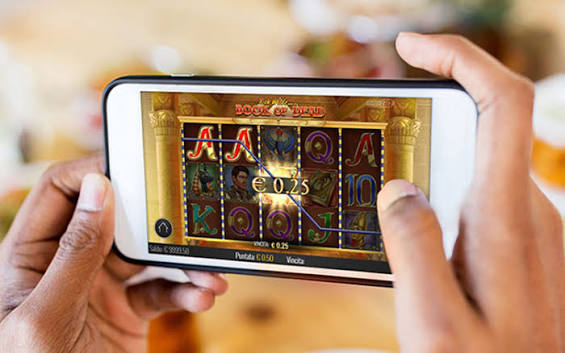
Demo mode allows users to explore a game with virtual credits instead of real money. Its main purpose is educational. A demo can help users understand:
- reel structure;
- paylines;
- symbol values;
- feature triggers;
- game speed;
- interface controls;
- sound and graphics settings.
It can also reveal whether a game works comfortably on a particular smartphone. Demo mode should not be treated as a prediction tool. Previous virtual results do not determine future results, and a short demo session cannot establish whether a slot will produce similar outcomes later.
How to Evaluate a Mobile Slot Game
Graphics are easy to notice, but technical information is more useful when comparing games. Start with RTP. It gives a long-term theoretical return figure. Next, check volatility. Two games with similar RTP values can behave very differently if their payout distributions are different. Then review the reel configuration and winning system. Check whether the game uses fixed paylines, ways to win, clusters, or another mechanic. Other useful details include:
- minimum and maximum stake;
- maximum advertised payout;
- bonus mechanics;
- wild and scatter rules;
- autoplay availability;
- device compatibility;
- portrait or landscape support.
The interface also matters. Important information should remain accessible without repeatedly opening complicated menus.
Common Mobile Slot Game Mistakes
Mobile play can feel straightforward, but several common assumptions can cause confusion.
Choosing a Game Only by Theme
Themes have no direct relationship with mathematical performance. A visually elaborate slot does not necessarily have higher RTP, lower volatility, or better payout potential than a simple game. Technical specifications should be checked separately.
Ignoring RTP and Volatility
RTP and volatility describe different parts of a game’s mathematical structure. RTP relates to theoretical long-term return, while volatility describes how outcomes are distributed. Looking at only one number gives an incomplete picture.
Assuming Faster Spins Improve Chances
Turbo modes can shorten the time between results. They do not normally improve the probability attached to each spin. Instead, they make it possible to complete more rounds in a shorter period.
Playing With Poor Connectivity
A weak mobile connection can create confusing pauses or delayed animations. If the game does not respond normally, repeatedly pressing controls can make the situation harder to interpret. Waiting for the platform to confirm the previous action is safer than assuming it failed.
Not Checking Bonus Rules
Bonus features can behave differently between games. A wild may work differently during free spins, a multiplier may apply only to certain wins, or respins may follow their own conditions. The help section or paytable should explain these rules.
Mobile Slot Games vs Desktop Slots

In many cases, the mobile and desktop versions of a slot use the same underlying game model. The main differences are related to presentation. Desktop screens provide more space for:
- large reels;
- side panels;
- detailed menus;
- simultaneous information displays.
Mobile interfaces need to fit the same information on a smaller screen, so menus and controls are often rearranged. Touch controls also replace the mouse. HTML5 has made desktop and mobile versions more similar because the same responsive game can often run in both browsers. However, the versions may not always be identical. Operators or providers can use different settings, so players should still check the RTP, rules, and other game details for the exact version they are using.
Are Mobile Slot Games Fair?
Fairness depends more on the software, testing, and rules than on whether the game runs on a phone or computer. In licensed markets, slot software is usually tested and must provide key game information. RNG-based slots should generate each result independently according to the game’s settings. Players should therefore look for information about:
- the game provider;
- RTP;
- game rules;
- licensing;
- testing or certification where applicable.
Using a mobile device does not itself make a slot more or less random.
Tips for Using Mobile Slot Games More Comfortably
A few practical choices can make mobile games easier to use. Keep the browser and operating system updated so modern web features work correctly. Use a stable connection, especially during the initial loading process. Choose portrait or landscape orientation based on the interface rather than forcing one layout. Lower sound or animation settings if a game causes excessive battery use or performance problems. Read the game information before using autoplay or turbo features. Most importantly, treat visual patterns as entertainment rather than predictive information. Each RNG-based result is generated independently.
Frequently Asked Questions
- What Are Mobile Slot Games?
Mobile slot games are digital slot titles optimized for smartphones and tablets. They generally use the same reel, symbol, payout, RTP, and volatility concepts as desktop slot games but provide touch-based and responsive interfaces.
- Can Mobile Slot Games Run in a Browser?
Yes. Many modern titles use HTML5 and can open directly in compatible mobile browsers without a separate game installation.
- Do Mobile Slots Have the Same RTP as Desktop Versions?
Often they do when both devices access the same game configuration. However, RTP can vary between versions or operator configurations, so the exact game information should always be checked.
- Are Mobile Slot Games Different on Android and iPhone?
The underlying game may be identical, but browser behavior, screen dimensions, performance, and installation methods can differ between Android and iOS.
- Does Fortune Tiger Work on Mobile?
Yes. PG Soft officially lists Fortune Tiger as supporting Android, iOS, and HTML5 in addition to desktop operating systems.
- What Is the RTP of Fortune Tiger?
PG Soft lists a theoretical RTP of 96.81% for Fortune Tiger and categorizes its session volatility as medium.
- Do Mobile Slot Games Use More Data?
Data use varies. Simple games may use relatively little after loading, while titles with high-resolution graphics, video, frequent animations, or large audio files can require more bandwidth.
- Does Turbo Mode Improve Winning Chances?
No. Turbo mode normally changes animation speed or reduces waiting time between spins. It does not inherently change the probability of an individual result.
Conclusion
Mobile slot games use traditional reel mechanics but are designed for phones and tablets. HTML5 lets many games run on Android, iOS, tablets, and desktop browsers without separate versions for each device. Some mobile slots are simple three-reel games, while others include bonus rounds, changing reels, multipliers, and jackpots. Fortune Tiger is a simpler example. It uses a 3×3 grid, five paylines, respins, and a x10 feature, and it works on major mobile systems through HTML5. When comparing mobile slot games, technical details matter more than graphics alone. RTP, volatility, paylines, bonus rules, device support, connection needs, and interface quality give a better idea of how a game really works.